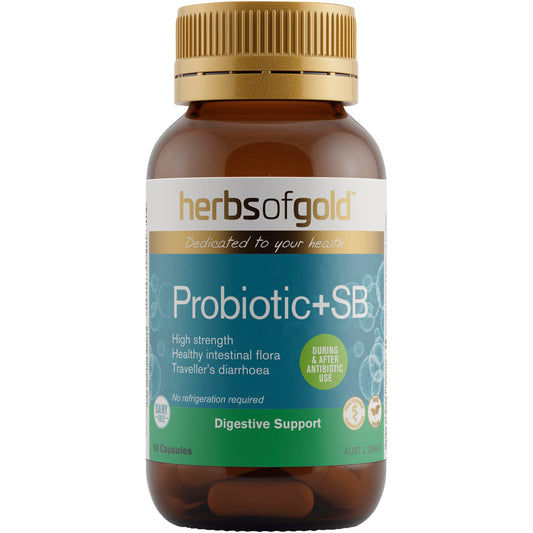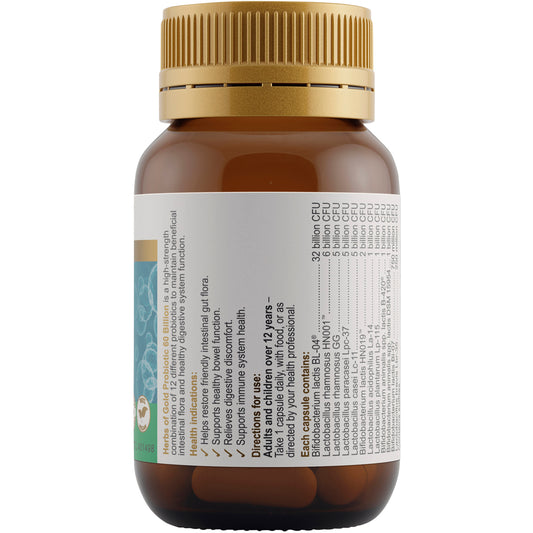

Digestive problems can be frustrating. Bloating after meals, irregular bowel movements, and occasional stomach discomfort can make everyday life less comfortable. Diet plays a part, but the balance of bacteria living in the digestive system also deserves attention. This is where probiotics for gut health may be worth considering.
Probiotics are available in capsules, powders, and fermented foods. Not every product works in the same way. The bacterial strains, quantity, and intended use all matter when choosing a supplement. It is also worth remembering that taking more probiotics does not automatically mean better results.
This article mentions how probiotics work, which strains are commonly used, what to check before buying, and six options worth considering for different digestive needs.
Getting to Know Probiotics and Their Role in Digestion
Probiotics are live microorganisms that can provide health benefits when consumed in adequate amounts. They are described as beneficial bacteria because they help maintain a healthy balance within the gut microbiome.
The digestive system naturally contains trillions of microorganisms. These include bacteria that help break down certain foods, support normal digestive processes, and interact with the immune system.
When this microbial balance changes, some people experience bloating, constipation, or diarrhoea. Probiotics may help in certain situations, although the results depend on the strain and the individual.
Research is still developing, but some probiotic strains have shown benefits for specific digestive complaints.
What to Look for When Buying a Probiotic
Choosing between different gut health supplements can be confusing. Product labels feature impressive numbers, but there are a few other details worth checking.
- Probiotic strains: Look for the full strain name, not only Lactobacillus or Bifidobacterium.
- CFU count: CFU stands for colony-forming units. It estimates the number of viable microorganisms in a serving.
- Quality testing: Check whether the manufacturer provides information about product testing, storage, and expiry dates.
- Dietary requirements: Check for allergens, dairy ingredients, artificial additives, and capsule materials.
-
Storage: Some products require refrigeration, while others remain stable at room temperature.
A higher CFU count does not necessarily make a supplement more effective. The right strain and its intended use matter more.
Six Probiotic Options Worth Considering
No single product suits everyone. Rather than choosing a supplement based on its CFU number alone, it makes sense to match the strain to the digestive concern.
The following shortlist focuses on probiotic types and their commonly researched uses.
|
Category |
Probiotic to look for |
Main consideration |
|
Everyday digestive support |
Multi-strain Lactobacillus and Bifidobacterium |
General microbiome support |
|
Bloating and discomfort |
Lactiplantibacillus plantarum 299v |
Studied for digestive symptoms |
|
Bowel regularity |
Bifidobacterium lactis |
Studied for stool frequency and consistency |
|
Antibiotic-associated diarrhoea |
Saccharomyces boulardii |
Evidence for reducing diarrhoea risk |
|
Sensitive digestion |
A clearly identified single-strain product |
Easier to assess individual tolerance |
|
Budget-friendly option |
A basic, quality-tested probiotic |
Check strain details and expiry-date CFUs |
|
Special conditions-IBD, IBS, UC, Cohen, Non- Alcoholic Fatty Liver Disease (NAFLD) |
VSL#3 The most concentrated food supplement that contains 8 different strains of bacteria to help to maintain a healthy digestive system. |
Over 40 Clinical and Scientific studies |
Best Overall: Multi-Strain Probiotic
A combination of Lactobacillus and Bifidobacterium strains is a reasonable starting point for someone looking for everyday digestive support. These bacteria have been studied for different aspects of digestion. A longer ingredient list does not automatically make a product better.
Best for Bloating: Lactiplantibacillus plantarum
Some people experience bloating even when their diet seems fairly balanced. Lactiplantibacillus plantarum 299v has been investigated for abdominal discomfort and other digestive symptoms. It is worth looking for the specific strain rather than buying any product labelled as a bloating remedy.
Best for Bowel Regularity: Bifidobacterium
Certain Bifidobacterium strains have been studied for constipation and stool consistency. Results vary, so it is sensible to check the strain information and discuss persistent constipation with a healthcare professional.
Best During Antibiotic Treatment: Saccharomyces boulardii
Antibiotics can affect beneficial gut microorganisms alongside the bacteria causing an infection. Saccharomyces boulardii is a probiotic yeast that has been studied for antibiotic-associated diarrhoea.
An NIH review reported a reduction in diarrhoea incidence from 17.4% to 8.2% among adults in one pooled analysis. This does not guarantee protection, but it gives a useful indication of the research.
Best for Sensitive Digestion: Single-Strain Formula
A simpler formula may be easier to assess if someone tends to react to new supplements. Start by checking the ingredients and avoid assuming that a high-potency, multi-strain formula will suit a sensitive digestive system.
Best on a Budget: Basic Probiotic Formula
An affordable supplement can still be a sensible choice if it identifies its strains, provides a clear CFU count, and has appropriate quality information. Paying extra for a larger number of strains is not always necessary.
Best probiotics for Inflammatory Bowel Disease (IBD), Irritable Bowel Syndrome (IBS), Ulcerative Colitis (UC), Pouchitis , Non-alcoholic Fatty Liver Disease (NAFLD)
VSL #3 is the only probiotic that has been evaluated in IBD, IBS, ulcerative colitis, and ileal pouch disease. It consists of eight separate strains of live organisms: four Lactobacillus, three Bifidobacterium, and one Streptococcus, and has a higher potency and greater number of probiotic bacteria than other probiotics.
Probiotic Strains: What Makes Them Different?
Not all gut probiotics have the same purpose. Three groups appear frequently on supplement labels.
- Lactobacillus: These bacteria are commonly studied for digestive comfort and microbiome balance.
- Bifidobacterium: Several strains have been investigated for bowel regularity and digestive function.
- Saccharomyces boulardii: Unlike the others, this is a yeast. It has been researched for antibiotic-associated diarrhoea.
The distinction matters. Even two products containing the same bacterial species can produce different results if their strains differ.
Getting Better Results From Probiotic Supplements
Taking a probiotic is fairly straightforward, but a few practical details can make a difference.
- Timing: Follow the manufacturer's instructions. Some products recommend taking them with food, while others have different directions.
- Dosage: Stick to the suggested serving rather than increasing the dose independently.
- Consistency: Give the product the recommended trial period. There is no universal timeline for noticing a change.
- Storage: Follow the packaging instructions. Certain products need refrigeration, while others are shelf-stable.
If you are comparing liver support supplements, remember they serve a different purpose than probiotics. Neither should be treated as a replacement for medical care.
People exploring the best anti-inflammatory supplements should also consider their individual needs rather than assuming that probiotics provide the same benefits.
Similarly, testosterone supplements are intended for a different health goal and should be assessed separately.
Those looking at heart health supplements should check the ingredients and evidence for the particular cardiovascular benefit being claimed.
A magnesium supplement may be considered for dietary magnesium intake, but it is not a substitute for a probiotic or a direct treatment for digestive problems.
Final Thoughts
Finding the best probiotics for gut health is less about choosing the highest CFU count and more about understanding what your digestive system needs. A product that helps one person may not have the same effect on someone else.
Start with the strain, check the product quality, and follow the recommended dosage. Also, remember that probiotics work alongside everyday habits such as eating fibre-rich foods, staying hydrated, and maintaining a varied diet.
If digestive symptoms persist, seek medical advice rather than relying on supplements alone. People with weakened immune systems or serious underlying illnesses should consult a healthcare professional before using probiotics.
Looking for ways to support your digestive health?
Evelyn Faye Nutrition offers nutritional guidance to help you make informed choices about your well-being. Choosing supplements can feel overwhelming, with so many products available. Getting the right advice is a useful place to start. Visit our Melbourne stores to discuss your nutritional needs with one of our experts. You can also explore www.evelynfaye.com.au to browse suitable options for your health goals.