
Dungeons & Dragons (D&D) is a fantasy role-playing game that often incorporates magic, mythical creatures, and enchanted items into its storylines. To add to the immersive experience, players may choose to include real herbs and plants into their adventures as a source of healing or magical properties. This guide will focus on 6 of the most commonly used safe and fantasy-inspired herbs in D&D, as well as touch on the use of 2 toxic herbs in the game.
-
Angelica: This herb has been used for centuries in traditional medicine for its potential to boost immunity, soothe digestive issues, and provide relief from stress and anxiety. In D&D, angelica could be used to create a potion for improved health and resilience, or as a key ingredient in a spell for protection.
-
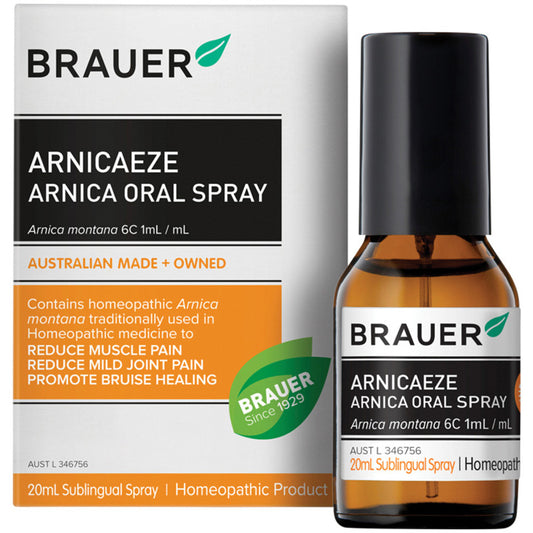
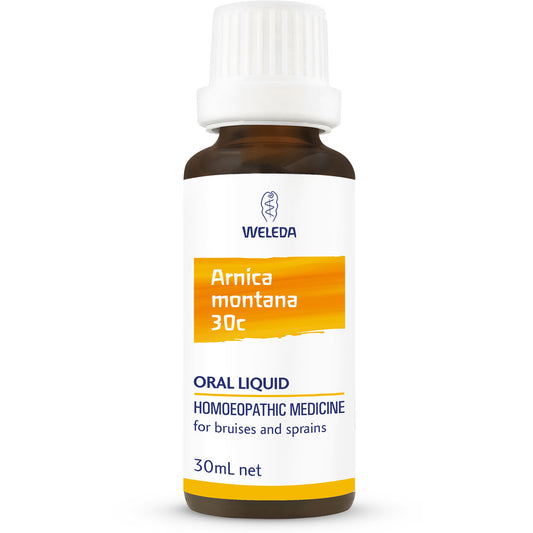
Arnica: Known for its anti-inflammatory and pain-relieving properties, arnica has been used in traditional medicine to treat bruises, sprains, and other physical injuries. In a D&D context, arnica could be used as a key ingredient in a potion to heal wounds and injuries, or as a component of a spell to soothe pain and discomfort.
-
Horehound: This herb has been used for centuries to soothe sore throats and coughs, and to aid in digestion. In D&D, horehound could be used to create a potion for improved voice projection, or as a key ingredient in a spell to ward off sickness.
-
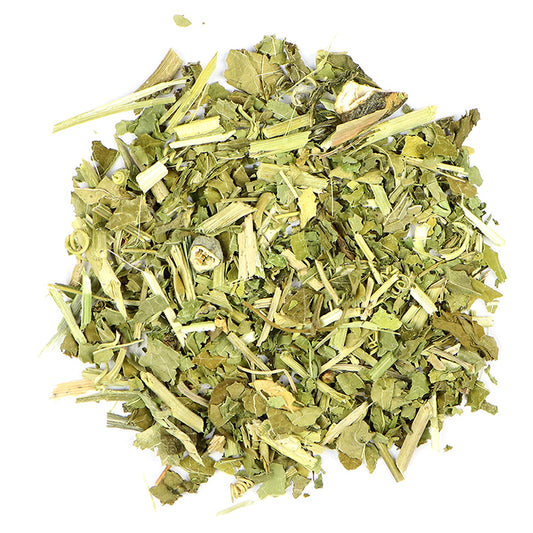
Skullcap: This herb has been used in traditional medicine to promote relaxation and stress relief, and to improve sleep quality. In a D&D context, skullcap could be used to create a potion for improved focus and calmness, or as a key ingredient in a spell for improved rest.
-
Passionflower: This herb has been used for centuries in traditional medicine for its potential to soothe anxiety and promote relaxation. In D&D, passionflower could be used to create a potion for improved emotional balance, or as a key ingredient in a spell for inner peace.
-
Willow Bark: This herb has been used for centuries to soothe pain and reduce inflammation, particularly in the case of headaches and muscle aches. In a D&D context, willow bark could be used to create a potion for improved physical comfort, or as a key ingredient in a spell to alleviate pain and discomfort.
Toxic Herbs: Mandrake Root and Nightshade
While Mandrake Root and Nightshade are real plants, they are highly toxic and should not be ingested or used for medicinal purposes. In D&D, they are often depicted as having powerful magical properties and are used in spells and potions for their ability to cause hallucinations, paralysis, and even death. It is important to note that these herbs are not to be taken lightly and should not be used in real-life herbal remedies or treatments.
In conclusion, the use of real herbs and plants in Dungeons & Dragons can add a new dimension to the role-playing experience and provide players with a chance to incorporate traditional herbal remedies into their adventures. When using herbs for medicinal purposes, it is important to always consult with a healthcare professional and avoid toxic herbs such as Mandrake Root and Nightshade.